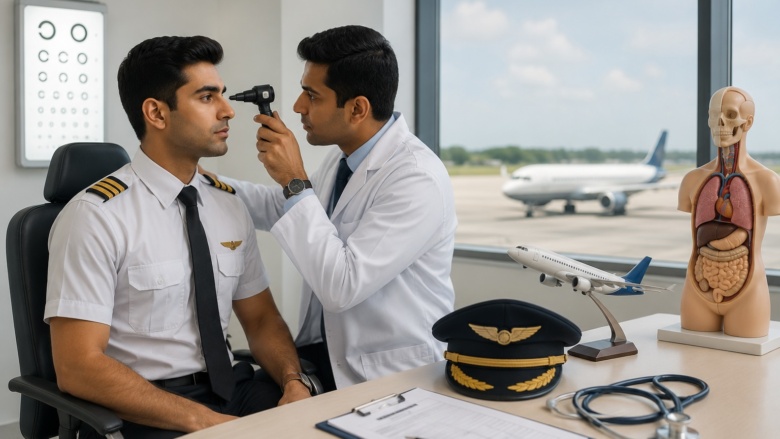


If you’re considering a career in aviation, one question comes up early—and for good reason: What health requirements do commercial pilots need to meet?
The short answer is this: commercial pilots must meet strict medical standards to ensure they can safely operate an aircraft, make sound decisions under pressure, and handle the physical demands of flying. Good vision, hearing, cardiovascular health, mental fitness, and overall medical stability all play a role.
But here’s the important part—failing a medical exam doesn’t always mean the end of your aviation dream. Many conditions can be managed, reviewed, or approved under specific circumstances.
Let’s break down exactly what aspiring and current commercial pilots need to know.
Why Health Requirements Matter in Aviation
Flying isn’t just about technical skill. A pilot’s body and mind are part of the aircraft’s safety system.
At 35,000 feet, there’s no room for delayed reactions, impaired judgment, or sudden medical events. Even a seemingly minor issue like unmanaged high blood pressure or untreated vision problems can create serious operational risks.
That’s why aviation authorities worldwide—including the DGCA in India, FAA in the United States, and EASA in Europe—require pilots to undergo medical certification before and throughout their careers.
Health standards exist to protect:
- Passengers
- Crew members
- The pilot
- Aircraft operations
- Public safety
For aspiring pilots training with institutions like Infinifly Aviation , understanding these medical requirements early can save time, money, and unnecessary surprises.
What Medical Certificate Does a Commercial Pilot Need?
The specific certificate depends on your aviation authority and career path, but commercial pilots generally require a higher-level medical certification than recreational or private pilots.
Class 1 Medical Certificate
This is the primary medical certification required for commercial airline pilots.
If your goal is to become:
- Commercial Pilot (CPL)
- Airline Transport Pilot (ATPL)
- Airline First Officer
- Captain
…you’ll typically need a Class 1 Medical Certificate.
This is the most comprehensive aviation medical examination.
It usually evaluates:
- Vision
- Hearing
- Blood pressure
- Heart health
- Lung function
- Neurological health
- Mental health
- General physical condition
- Blood and urine markers
Because commercial flying involves greater responsibility, the medical standards are significantly stricter.
Class 2 Medical Certificate
This level is generally for:
- Private pilots
- Student pilots
- Some recreational aviation roles
The medical examination is less stringent than Class 1 but still focuses on flight safety.
If you’re just starting pilot training, many jurisdictions may allow progression through Class 2 initially before Class 1 certification becomes mandatory.
Class 3 Medical (In Some Regions)
This certification is commonly associated with:
- Air traffic controllers
- Certain aviation operational roles
Requirements vary depending on authority.
Core Health Requirements for Commercial Pilots
Let’s look at the major medical standards.
Vision Requirements
Vision is one of the most discussed pilot medical concerns.
Commercial pilots generally need:
- Good distance vision
- Functional near vision
- Adequate color perception
- Proper depth perception
- Stable visual correction if using glasses or contact lenses
Can Pilots Wear Glasses?
Yes—absolutely.
This is one of the biggest myths in aviation.
Many commercial pilots wear corrective lenses.
The key requirement is corrected vision meeting regulatory standards.
Color Blindness and Pilot Eligibility
Color vision matters because pilots rely on:
- Cockpit indicators
- Warning lights
- Navigation signals
- Airport lighting systems
Mild deficiencies may require further testing.
Significant color vision limitations can affect commercial eligibility depending on the authority.
Hearing Requirements
Pilots must be able to clearly hear:
- ATC (Air Traffic Control) instructions
- Cockpit alerts
- Crew communication
- Emergency warnings
Testing may involve:
- Spoken voice assessment
- Audiometry testing
Hearing aids may be acceptable in some situations if operational hearing standards are met.
Cardiovascular Health
Heart health is taken extremely seriously in aviation.
Medical examiners look for risks such as:
- High blood pressure
- Coronary artery disease
- Arrhythmias
- Previous heart attack history
- Valve disorders
Why This Matters
A sudden cardiac event during flight can be catastrophic.
That doesn’t mean every heart-related diagnosis is disqualifying.
Well-managed conditions with specialist clearance are sometimes acceptable.
Neurological Health
Neurological conditions receive close scrutiny.
Examples include:
- Seizure disorders
- Epilepsy
- Stroke history
- Migraines (depending on severity)
- Loss of consciousness history
- Balance disorders
A single unexplained blackout event often triggers extensive review.
Mental Health Requirements
This area has evolved significantly.
Modern aviation medicine increasingly recognizes that mental health treatment is often safer than untreated illness.
Areas reviewed may include:
- Depression
- Anxiety disorders
- Bipolar disorder
- Substance misuse
- Psychosis
- Severe personality disorders
The concern is functional safety, not stigma.
A history of counseling alone is not automatically disqualifying.
But untreated or unstable psychiatric conditions may be.
Respiratory Health
Commercial pilots need adequate lung function.
Medical concerns include:
- Asthma
- COPD
- Sleep apnea
- Chronic breathing disorders
- Recurrent spontaneous pneumothorax history
Can Pilots Have Asthma?
Often yes.
If asthma is mild, controlled, and doesn’t impair operational safety, certification may still be possible.
Diabetes
This used to be a major barrier.
Now, many aviation regulators assess diabetes more individually.
Important factors:
- Type of diabetes
- Medication used
- Hypoglycemia risk
- Long-term control
- Complications
Insulin-treated applicants may face stricter review but are not automatically excluded in some jurisdictions.
Musculoskeletal Fitness
Pilots must physically manage cockpit tasks.
This includes:
- Reaching controls
- Operating pedals
- Emergency evacuation capability
- Sustained sitting endurance
- Adequate mobility
Past injuries aren’t necessarily disqualifying if functional ability remains intact.
Common Conditions That May Disqualify a Pilot
Some conditions raise serious certification concerns.
Potentially disqualifying issues include:
- Uncontrolled epilepsy
- Active psychosis
- Severe untreated sleep apnea
- Substance dependency
- Unstable cardiovascular disease
- Recurrent unexplained fainting
- Significant vision impairment not correctable
- Severe hearing loss without functional compensation
- Uncontrolled diabetes with dangerous glucose instability
But “potentially disqualifying” does not always mean permanent rejection.
Case-by-case review matters.
What Conditions May Be Waivable?
Some conditions may qualify through additional review.
Examples:
- Controlled hypertension
- Mild asthma
- Corrected vision
- Certain anxiety/depression histories
- Past surgeries
- Controlled diabetes (jurisdiction dependent)
- Mild sleep apnea with treatment compliance
This usually involves:
- Specialist reports
- Follow-up testing
- Demonstrated stability
- Periodic re-evaluation
What Happens During a Pilot Medical Exam?
A commercial pilot medical exam may include:
Medical History Review
Expect questions about:
- Medications
- Surgeries
- Hospitalizations
- Chronic illness
- Mental health history
- Family cardiac history
- Substance use
Honesty matters.
Concealing conditions can be far more damaging than disclosure.
Physical Examination
Typically includes:
- Height and weight
- Blood pressure
- Pulse
- General systems review
Vision Testing
May assess:
- Visual acuity
- Near vision
- Color perception
- Peripheral vision
Hearing Testing
Communication capability testing.
Cardiac Screening
Depending on age and authority:
- ECG
- Cardiology review
- Stress testing (if indicated)
Lab Testing
May include:
- Blood glucose
- Urinalysis
- Other screening markers
How Often Do Commercial Pilots Need Medical Renewal?
Medical certification isn’t one-and-done.
Renewal frequency depends on:
- Age
- License level
- Aviation authority
- Medical history
Generally:
- Younger pilots may renew less frequently
- Older pilots often face shorter renewal cycles
Commercial pilots must maintain ongoing compliance.
Tips Before Your Aviation Medical Exam
1. Don’t Wait Until Training Starts
Get medically evaluated early.
This avoids investing heavily before discovering certification barriers.
2. Gather Your Records
Bring documentation for:
- Surgeries
- Diagnoses
- Specialist treatment
- Medication history
3. Be Honest About Medication
Some medications are acceptable.
Some are temporarily grounding.
Your examiner needs accurate information.
4. Manage Chronic Conditions
Control issues like:
- Blood pressure
- Diabetes
- Sleep quality
- Asthma
Stable health improves outcomes.
5. Sleep Well Before Testing
Fatigue can affect:
- Blood pressure
- Focus
- Performance
Health Requirements for Student Pilots
If you’re just beginning your aviation journey, requirements may be less intensive initially.
But if your long-term goal is commercial aviation, you should aim for Class 1 eligibility from the start.
A student who qualifies for basic training but not commercial certification later may face expensive setbacks.
That’s why aviation academies emphasize early medical screening.
For Current Commercial Pilots: Staying Flight-Ready
Medical certification isn’t just paperwork.
Long-term pilot health depends on:
- Exercise
- Healthy sleep
- Hydration
- Stress management
- Vision care
- Regular medical monitoring
- Smart nutrition
Aviation careers are marathons, not sprints.
Final Thoughts
Meeting health requirements for commercial pilots is about much more than passing an exam.
It’s about proving you can safely handle the real-world demands of professional flying.
The good news? Many aspiring pilots assume minor health conditions automatically disqualify them—when that’s often not true.
The smartest move is to get evaluated early, understand the standards that apply in your region, and build your aviation path with accurate information.
If you’re serious about becoming a commercial pilot, medical readiness should be part of your flight plan from day one.