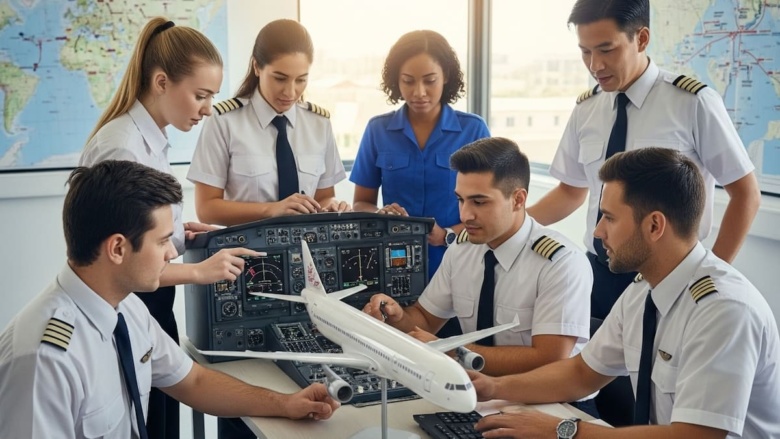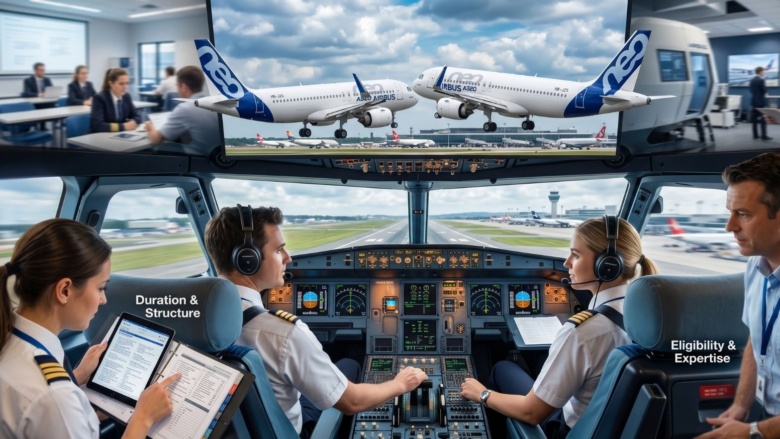


If you’ve started researching how to become a commercial pilot in India, you’ve probably come across terms like DGCA ground classes, CPL training, aviation theory exams, and flight school preparation. For many aspiring pilots, this is where the real confusion begins.
Do you need ground school before flight training? Are DGCA-approved ground classes mandatory? What subjects are included? How much do ground classes for a CPL cost?
These are valid questions—and if you’re serious about building a career in aviation, understanding this part of the journey can save you both time and money.
The truth is, becoming a commercial pilot is not just about learning how to fly. Before you step confidently into the cockpit, you need a strong theoretical foundation. That’s exactly where dgca ground classes come in.
This guide breaks everything down in simple terms so you can make an informed decision.
What Are DGCA Ground Classes?
DGCA ground classes are structured classroom or online training programs designed to prepare aspiring pilots for the theory examinations conducted by the Directorate General of Civil Aviation (DGCA), India.
Think of it this way: if flight training teaches you how to physically fly an aircraft, ground school teaches you why the aircraft behaves the way it does, how aviation systems work, how weather affects operations, and how to make safe operational decisions.
Without this knowledge, flight training becomes much harder.
A student learning to land an aircraft may be able to follow instructions mechanically. But a pilot who understands aerodynamics, meteorology, and navigation makes smarter decisions under real conditions.
That’s the difference quality ground training makes.
Why Are DGCA Ground Classes Important?
Many students underestimate the academic side of pilot training.
Aviation is highly technical, and DGCA exams are designed to ensure pilots meet professional knowledge standards.
Strong CPL ground classes help you:
- Build a solid understanding of aviation theory
- Prepare effectively for DGCA examinations
- Improve confidence before flight training
- Reduce the learning curve during practical flying lessons
- Increase chances of passing exams on the first attempt
- Develop airline-level decision-making skills early
Students who skip structured preparation often find themselves struggling later—not because they lack flying talent, but because aviation concepts build on each other.
Are DGCA-approved ground classes mandatory?
This is one of the most common questions.
Strictly speaking, the DGCA does not require every student to attend a separate coaching institute to appear for theory exams.
However, proper preparation is essential.
When people search for DGCA-approved ground classes, they’re usually looking for reputable aviation training providers aligned with DGCA syllabus standards and industry expectations.
A quality training institute ensures:
- Updated syllabus coverage
- Experienced aviation instructors
- Exam-focused preparation
- Mock tests and assessments
- Concept clarity rather than rote memorization
Choosing the right institute matters more than simply joining the cheapest option.
Subjects Covered in DGCA Ground Classes
A well-structured program covers the core theoretical subjects required for CPL progression.
1. Air Navigation
This subject teaches how pilots determine aircraft position and route planning.
Topics include:
- Latitude and longitude
- Flight planning
- Navigation charts
- Time-speed-distance calculations
- Radio navigation
- Instruments used in navigation
Students often find navigation challenging initially because it combines math, planning, and real-world aviation application.
2. Aviation Meteorology
Weather plays a massive role in aviation safety.
This subject covers:
- Atmospheric structure
- Cloud formation
- Pressure systems
- Wind behavior
- Thunderstorms
- Fog
- Turbulence
- Weather charts
- Aviation weather interpretation
A pilot who understands weather makes safer operational decisions.
3. Air Regulations
This subject focuses on aviation laws, procedures, and compliance requirements.
Topics include:
- DGCA regulations
- Pilot responsibilities
- Airspace classifications
- Flight rules
- Licensing requirements
- Aviation documentation
- Operational limitations
This is especially important for professional airline operations.
4. Technical General
This covers aircraft systems and engineering basics.
Topics include:
- Aircraft engines
- Fuel systems
- Hydraulic systems
- Electrical systems
- Landing gear
- Flight instruments
- Aircraft performance basics
If you enjoy understanding how machines work, this subject becomes very engaging.
5. Technical Specific
Focused on the specific aircraft type used during training.
Topics vary depending on aircraft type.
May include:
- Aircraft limitations
- Emergency procedures
- Aircraft systems
- Weight and balance
- Performance data
6. RTR Preparation (Where Applicable)
Many ground classes for CPL also support preparation for Radio Telephony Restricted (RTR) exams.
This helps students prepare for aviation communication standards and radio phraseology.
Eligibility for DGCA Ground Classes
The good news? Students can begin theory preparation early.
Typical eligibility includes:
- Completion of 10+2 (preferably Physics and Mathematics)
- Aspiring commercial pilot candidates
- Students preparing for CPL training
- Candidates transitioning from another career path into aviation
Some institutes also guide students on subject equivalency if they didn’t study physics or maths traditionally.
Online vs Classroom DGCA Ground Classes:
A common dilemma for students.
Online Learning
Best for:
- Working professionals
- Students outside major aviation hubs
- Flexible scheduling needs
Pros:
- Learn from anywhere
- Recorded sessions
- Lower travel costs
- Flexible pace
Challenges:
- Requires self-discipline
- Less in-person interaction
Classroom Training
Best for:
- Full-time aviation students
- Learners who prefer instructor interaction
- Students needing structured discipline
Pros:
- Immediate doubt solving
- Peer learning
- Better classroom engagement
- Stronger accountability
Challenges:
- Fixed schedules
- Location dependency
The right format depends on your learning style.
Career Scope After DGCA Ground Classes
Ground school itself doesn’t make you a commercial pilot—but it’s a critical milestone.
After completing theory preparation, students typically move toward:
- CPL flight training
- DGCA theory exam qualification
- Flight hour building
- Skill tests
- License issuance
- Airline assessments
Long-term career opportunities include:
- Commercial airline pilot
- Charter pilot
- Cargo pilot
- Corporate aviation pilot
- Flight instructor
- Aviation operations roles
India’s aviation sector continues expanding, creating strong long-term demand for trained professionals.
How to Choose the Right DGCA Ground School
Not all aviation institutes deliver the same quality.
Before enrolling, ask:
Who are the instructors?
Industry experience matters.
Is the syllabus current?
Aviation standards evolve.
What’s the exam success track record?
Results indicate preparation quality.
Are mock tests included?
Practice improves confidence.
Is mentoring available?
Personal guidance can make a major difference.
Does the institute support your full pilot journey?
Ground school is just one stage.
Why Many Aspiring Pilots Choose InfiniFly Aviation
At InfiniFly Aviation, training is approached with a student-first mindset focused on long-term aviation careers, not short-term enrollments.
Aspiring pilots often need more than just subject lectures.
They need:
- Career guidance
- Structured preparation
- Mentorship
- Practical aviation insights
- Confidence-building support
That combination often makes a measurable difference.
Common Questions About DGCA Ground Classes
How long do DGCA ground classes take?
Typically 3 to 8 months depending on program structure and student pace.
Can I join before starting flight training?
Yes. Many students begin theory preparation first.
Are online DGCA classes effective?
Yes—if the program is well structured and you stay disciplined.
Is mathematics difficult in CPL ground school?
Navigation includes calculations, but most students improve with practice.
Can non-science students become pilots?
Possibly, but eligibility pathways depend on meeting physics and mathematics requirements.
Final Thoughts
Aviation rewards preparation.
The students who succeed fastest are rarely the ones who simply dream about flying—they’re the ones who build the right foundation early.
Strong dgca ground classes are not just about passing exams. They help shape how you think, decide, and perform as a future pilot.
If your goal is a professional aviation career, choosing quality cpl ground classes is one of the smartest early decisions you can make.
Ready to Start Your Pilot Journey?
If you’re exploring DGCA-approved ground classes or looking for reliable ground classes for CPL, now is the right time to evaluate your options carefully.Visit InfiniFly Aviation to learn more about aviation training pathways and expert guidance for aspiring pilots.