

If you’re looking into airline pilot training, you’ve probably already heard the word “simulator” about fifty times. It comes up in almost every conversation about flight school, every YouTube video from working pilots, every forum thread from students trying to figure out what they’re getting into.
But here’s the thing nobody quite explains well: what is simulator training actually like, day to day? What will you be doing in there? Why does it matter so much for your future as an airline pilot?
Let’s walk through it the way an instructor would explain it to you in person, over coffee, before you ever sit in one.
What Simulator Training Actually Is
A flight simulator is a device built to recreate the experience of flying an aircraft as closely as possible, without leaving the ground. Some are simple desktop setups used for basic procedure practice. Others are full-motion, full-visual machines that tilt, shake, and shift with your inputs, mimicking real turbulence, real engine failures, and real weather.
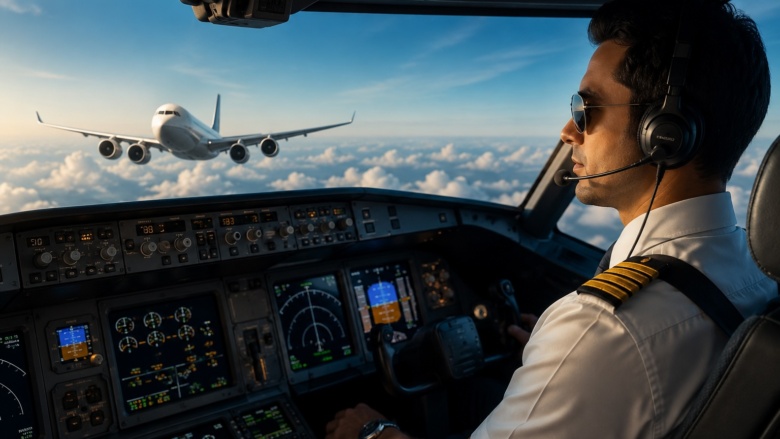
For airline pilot preparation, you’ll typically work through a mix of both. Early in training, you might use lower-fidelity devices just to build muscle memory around checklists and switch flows. Later on, especially as you move toward type-specific training for a particular aircraft, you’ll spend serious time in high-fidelity, full-motion simulators that are built to match the real cockpit down to the button.
The goal isn’t to replace real flying. It’s to give you a safe, repeatable place to practice things that would be too dangerous, too expensive, or too rare to practice in an actual airplane.
Why Simulator Training Matters So Much
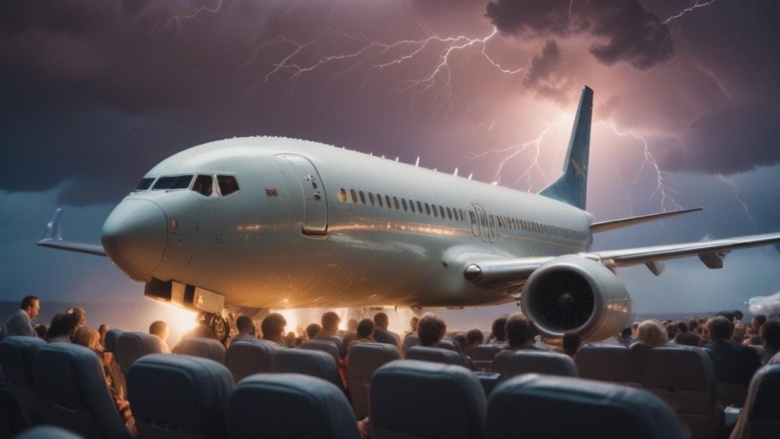
Think about it from a training design perspective. An engine failure at 200 feet on takeoff is one of the most critical events a pilot can face. You need to know exactly what to do, without hesitation, the first time it actually happens.
You can’t practice that safely in a real aircraft. But you can practice it dozens of times in a simulator, in every configuration, every weather condition, every possible complication, until your response becomes automatic.
That’s really what simulator training is for. It compresses years of rare, high-stakes scenarios into a training environment where you can fail safely, learn from it, and try again five minutes later. Airlines and training programs lean on simulators heavily because they let students build real judgment without real risk.
There’s also a cost and logistics reason. Simulator time is far cheaper than aircraft time, and it doesn’t depend on weather, air traffic, or maintenance schedules. That means more consistent, more frequent practice, which translates into pilots who are genuinely better prepared when they finally sit in a real cockpit.
The Types of Simulators You’ll Encounter
Training programs generally move students through a few different levels of simulation, and it helps to know what’s coming.
Basic training devices are usually simplified setups focused on procedures, checklists, and instrument scanning. Think of these as your foundation. They’re not trying to fool you into thinking you’re flying a real jet. They’re teaching you habits.
Flight Training Devices (FTDs) are a step up. These replicate a specific aircraft’s systems and cockpit layout more closely, though they typically don’t move. You’ll use these to practice procedures, system failures, and instrument flying in a setting that looks and feels much closer to the real thing.
Full Flight Simulators (FFS) are the big ones. These are the full-motion, full-visual machines used for type ratings and advanced airline training. They’re built to match a specific aircraft type so closely that regulators allow certain training and even checkrides to happen entirely in the simulator, no real aircraft required.
As you move through your training pipeline, you’ll naturally progress from the simpler devices toward these more advanced simulators, mirroring the increasing complexity of what you’re learning to fly.
What a Simulator Session Actually Looks Like
Here’s where most students have the biggest gap between expectation and reality. It’s not just “get in, fly around, get out.”
A typical session starts with a briefing. Your instructor will walk you through what you’re practicing that day, what the scenario involves, and what a successful outcome looks like. This might take twenty minutes or more, especially early in training.
Then you get into the sim itself. Depending on the level of the session, you might run through normal procedures first, things like departures, approaches, and standard checklists, before your instructor starts introducing complications. An engine fire here. A hydraulic failure there. Maybe a diversion because of unexpected weather.
This is intentional. Instructors want to see how you handle things when the plan changes, because that’s exactly what happens in real flying.
After the session, there’s a debrief. This is honestly where a lot of the real learning happens. Your instructor will go through what worked, what didn’t, and why. Simulators often have replay capabilities, so you might actually watch back parts of your flight to see your own decision-making in action.
Sessions can run anywhere from an hour to several hours, depending on what stage of training you’re in. Full-motion sessions for advanced ratings tend to run longer and are typically split between two students, so you’ll often fly one leg while your partner flies the other, then swap.
What Students Should Expect Emotionally
Nobody talks about this enough, so let’s be direct about it.
Your first few simulator sessions can feel overwhelming. There’s a lot going on: instruments to scan, radio calls to make, checklists to run, and an instructor watching your every move. It’s normal to feel behind the aircraft, like you’re always catching up rather than staying ahead.
That feeling fades. It fades because the simulator is doing exactly what it’s supposed to do: building repetition until things that felt impossible in week one feel routine by week six.
It’s also normal to fail scenarios in the simulator. That’s not a bad sign. That’s the entire point of the exercise. A simulator session where you handle every single failure perfectly on the first attempt probably wasn’t challenging enough to teach you much. The real value comes from being pushed into situations where you have to think, adjust, and sometimes get it wrong before you get it right.
Good instructors will tell you this directly: the sim is a classroom, not a test of your worth as a future pilot.
How Simulator Training Fits Into Your Overall Pipeline
For most students working toward an airline career, simulator training isn’t one isolated phase. It’s woven through the entire journey.
Early in your private and instrument training, you might use basic devices to practice instrument scans and procedures before ever touching a real aircraft in those conditions. As you move into commercial and multi-engine training, simulators become a bigger part of practicing emergency procedures safely.
Later, once you’re working toward a specific airline or aircraft type, you’ll move into full flight simulators for type-specific training. This is where things get intense and specific, learning the exact systems, procedures, and quirks of the aircraft you’ll actually be flying for a living.
Even after you’re hired, simulator training doesn’t stop. Airline pilots return to full flight simulators regularly throughout their careers for recurrent training, checking their skills and staying sharp on emergency procedures they hopefully never encounter in real life.
Understanding this pipeline matters because it reframes simulator training from something you “get through” into something that’s genuinely building the skills you’ll rely on for decades.
Practical Expectations for New Students
A few things worth knowing before you start:
You’ll likely repeat maneuvers many times. Repetition is the mechanism, not a sign you’re struggling. Instructors build sessions around doing things enough times that they become automatic.
Instructors will introduce failures deliberately. Don’t be alarmed if a routine flight suddenly turns into an engine failure or a system malfunction. That’s the training working as intended.
You’ll get direct feedback. Good simulator instruction tends to be honest and specific. Expect clear notes on what to adjust, not just vague encouragement.
Scheduling can be demanding. Simulator time is expensive and in high demand, so sessions are often scheduled tightly, sometimes early morning or late evening, especially for higher-level devices.
It gets easier. The learning curve on simulators is steep at first and then flattens out. Most students describe an early period of feeling overwhelmed, followed by a noticeable shift where things start clicking into place.
Getting the Most Out of Your Simulator Time
A few habits tend to separate students who progress smoothly from those who struggle.
Review your procedures and checklists before each session, not during it. Simulator time is expensive and limited, and you want to spend it applying knowledge, not learning it for the first time.
Ask questions during your briefings. If you don’t understand why a particular scenario matters, ask. Understanding the reasoning behind a maneuver makes it much easier to remember and execute.
Take the debrief seriously. It’s tempting to want to move on quickly after a tough session, but the debrief is often where the actual lesson gets locked in.
And give yourself some grace. Every pilot flying for an airline today sat in a simulator seat feeling exactly as overwhelmed as you might feel in your first few sessions. It’s part of the process, not a sign you’re in the wrong field.
Final Thoughts
Simulator training is one of the most valuable parts of preparing for an airline career, precisely because it lets you build real judgment and real skill in situations that would be too risky to practice any other way. It’s demanding, it’s humbling at times, and it’s also one of the clearest ways to see your own progress as a pilot.
If you’re weighing flight training programs and trying to understand what your day-to-day experience will actually involve, simulator training deserves real attention in that research. It’s not a side note in your training. For much of your path toward the airline cockpit, it’s where the real learning happens.