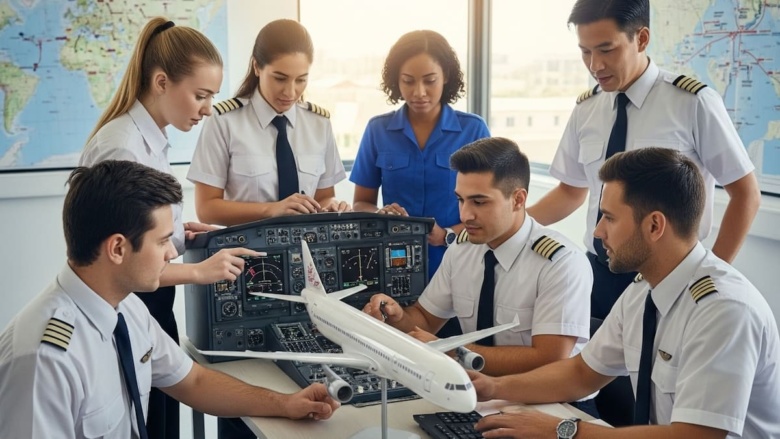

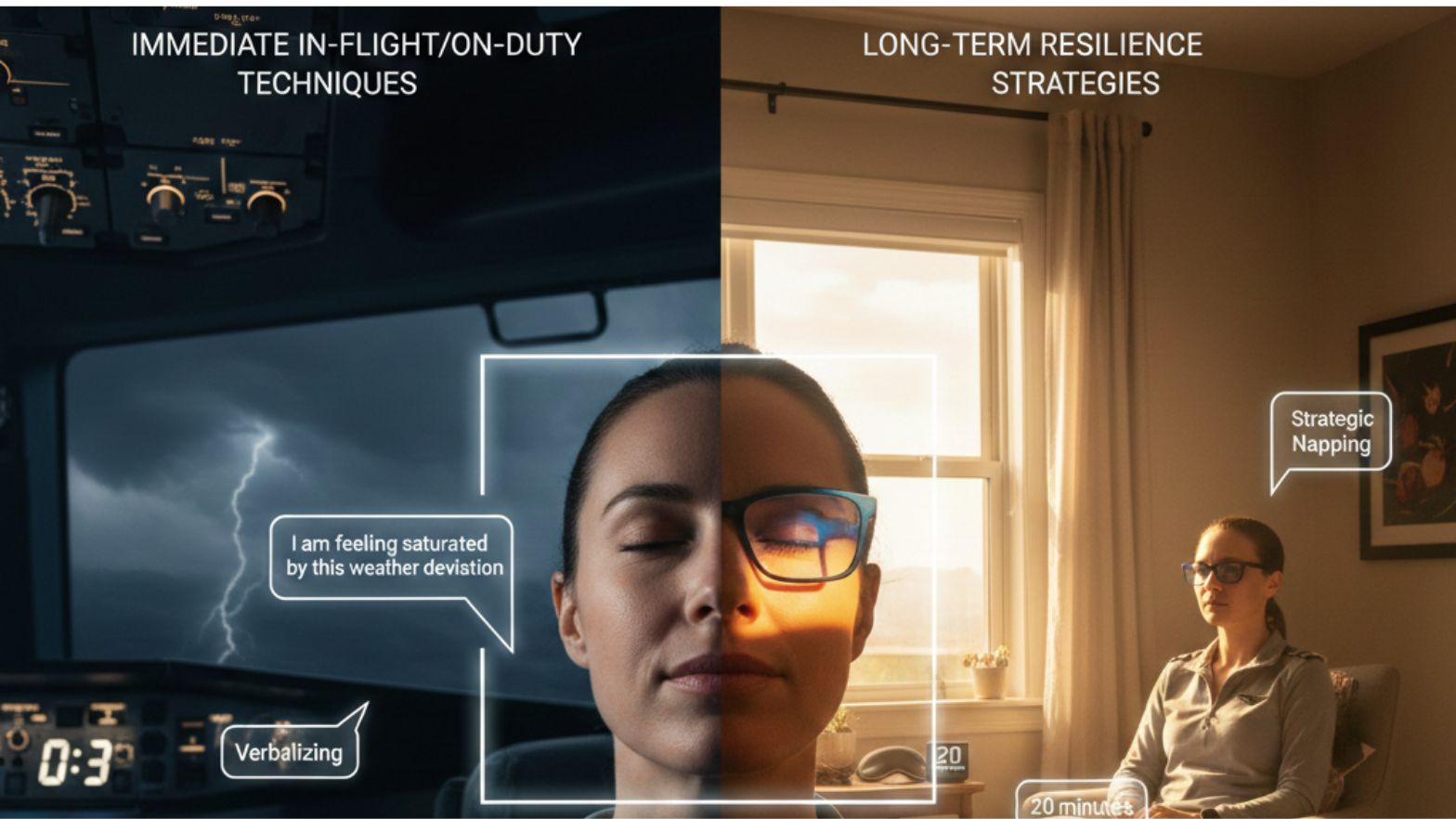

Aviation carries a certain charm from the outside. Clean uniforms, glowing badges, airports buzzing with movement, aircraft cutting through the sky. Yet behind that polished picture, there is a demanding life. Strict timelines, disrupted sleep cycles, safety responsibilities and long separations from family can build silent pressure. Over time, this pressure turns into stress that takes a toll on both performance and personal well-being. Aviation professionals need ways to maintain calm so that work stays efficient and life stays balanced.
Understanding Stress in Aviation
Stress in aviation does not look one-dimensional. Pilots handle flight operations and passenger safety. Cabin crew juggle service, emergency training, medical responses and passenger behaviour. Controllers manage crowded airspace with intense precision. Engineering staff ensure mechanical integrity within tight deadlines. Even frontline airport teams face crowds, unexpected delays and customer complaints.
This environment creates mental strain, physical fatigue and emotional burden. Some common triggers include:
- Irregular schedules that affect meals and sleep
- Constant responsibility for lives and high-value equipment
- Jet lag and body clock disruptions
- Technical surprises that require fast decisions
- Commuting between time zones
- Weather uncertainties
- Work culture that demands perfection
Treating Sleep Like Fuel
Sleep is often sacrificed in aviation. Flights at odd hours or long shifts at airports interfere with the body’s natural rhythm. Fatigue slowly creeps in and affects focus, moods and memory. A simple stress management base is healthy sleep hygiene. Practical methods include:
- Keeping the sleeping area dark and cool
- Avoiding screens right before bed
- Using earplugs or sleep masks during layovers
- Eating a light meal before sleeping
- Drinking water but avoiding caffeine close to bedtime
- Following a small wind-down routine, such as light music or reading
Movement as a Pressure Outlet
Aviation jobs restrict movement. Flight decks, cabins, control rooms and maintenance zones often involve standing in place or sitting for hours. The body stores tension when movement is limited for long periods. Exercise releases that tension and supports stress hormones.
The approach does not need to be extreme. Walking around the airport during breaks, simple stretches in hotel rooms or short strength routines with resistance bands can bring relief. Some pilots and crew members use swimming because it eases joints and gives a sense of steady breathing. Yoga and Pilates support flexibility and posture, reducing chronic aches from long hours.
Breathing with Purpose
Stress tends to shorten the breath. Shoulders tighten, neck muscles stiffen and thoughts rush. Controlled breathing counters this and is suitable for aviation due to its simplicity and privacy. A few techniques practiced regularly help calm the nervous system.
For example, slow nasal breathing that emphasises longer exhalation relaxes the heartbeat. A count like inhaling to four and exhaling to six works well. Another method is diaphragmatic breathing, where the abdomen expands instead of the chest. These exercises can be done quietly in a briefing room, cockpit seat during idle time, break room or hotel room.
Strengthening Mental Boundaries
Airports are noisy, airlines are competitive and passengers are unpredictable. Without mental boundaries, every comment or delay can feel personal. Aviation professionals benefit from mental shielding that separates the self from chaotic situations. This can take the form of:
- Taking brief pauses before reacting
- Understanding what can be controlled and what cannot
- Not absorbing the negative moods of passengers or colleagues
- Allowing mistakes to be corrected rather than replayed mentally
Grounding techniques such as observing physical surroundings, adjusting posture or pressing feet firmly into the floor help pull attention back to the present moment. These methods reduce spiralling thoughts that increase stress levels.
Nutrition That Supports the Job
Airports tempt workers with fast food and sugary snacks due to convenience. Unfortunately, these foods spike and crash energy, intensifying stress. Balanced eating stabilises mood and concentration. Smart habits include:
- Carrying nuts, fruits, protein bars or yoghurt for quick snacks
- Drinking water frequently, especially during long flights
- Choosing lean protein and vegetables during layovers
- Limiting heavy meals before flights or shifts
- Keeping hydration tablets during hot seasons
Using Social Support as a Safety Net
Aviation culture often encourages resilience, but resilience does not mean isolation. Talking through concerns with peers, family or trained counsellors eases emotional weight. Many airlines now offer wellness check-ins, mental health programmes and anonymous counselling options.
Peer support groups are valuable because everyone involved understands the unique stressors of aviation. A pilot may express cockpit stress better to someone who has sat in a cockpit. Cabin crew members relate to challenging passenger behaviour. Controllers relate to radar pressure. These bonds create psychological comfort.
Outside aviation, friends and family help restore normalcy. Eating together, calling during layovers or sharing simple daily updates strengthens connection and reduces loneliness.
Structured Time for Recovery
Aviation work demands constant readiness, which drains internal reserves. Scheduling recovery time helps refill mental and emotional tanks. This recovery may include hobbies, reading, gardening, painting, playing an instrument or even peaceful silence.
Recovery works best when it feels intentional rather than accidental. Ten minutes of relaxation before sleep or a short morning ritual before duty separates personal life from work life. Without this separation, stress starts blending into every hour of the day.
Training the Mind Through Skill Refreshing
Training is central to aviation, from simulator checks to safety drills. Skill refreshers indirectly reduce stress because confidence rises as skills strengthen. A well-trained professional reacts to pressure with clarity rather than panic. This principle applies across roles:
- Pilots feel steadier during technical failures.
- Cabin crew handle medical scenarios with less fear.
- Controllers manage traffic surges more confidently.
- Engineers troubleshoot without overthinking.
To Conclude
Aviation professionals carry a responsibility that few industries can parallel. Stress cannot be wished away, but it can be handled with strategies that respect both the body and the mind. Sleep as fuel, movement as release, breathing as reset, mental boundaries for emotional protection, nutrition for stability, social support for balance, structured recovery and training for confidence form a strong foundation.
When these habits integrate into daily life, aviation becomes smoother from within. The sky stays busy, passengers keep travelling, forecasts keep shifting, yet the professional at the centre stays composed and steady.