

Choosing to pursue a Commercial Pilot Licence (CPL) is a commitment to a detailed, multi-phase professional training schedule. At INFINIFLY AVIATION, our programme is built to guide students systematically from fundamental theory to advanced jet aircraft readiness, strictly adhering to DGCA standards while incorporating global best practices. Here is a clear breakdown of the journey you can expect with us.
1. Phase I: Ground School: The Core Knowledge Foundation
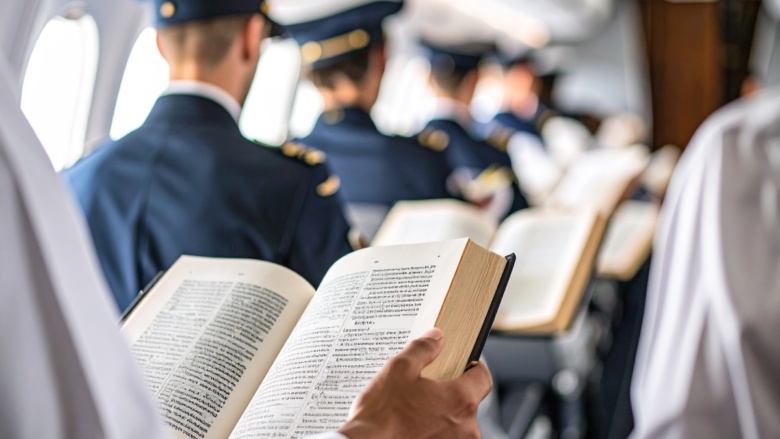
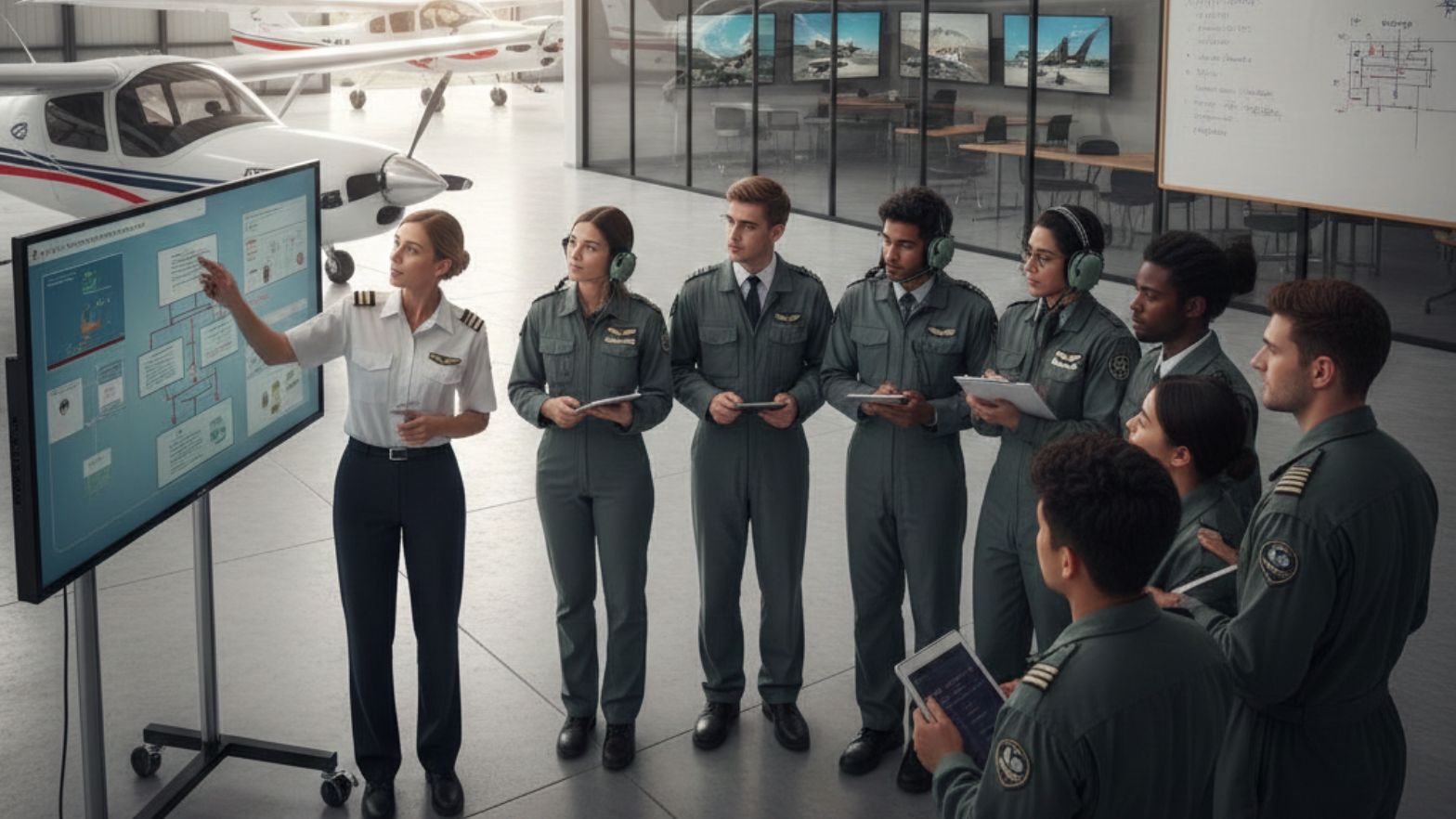
The initial and most critical phase is the theoretical training, where you acquire the academic knowledge essential for safe and proficient flying. This is the foundation for clearing the mandatory DGCA written examinations.
- Duration: Typically the first 6–12 months, running concurrently with the initial phases of practical training.
- Core Subjects: You will undergo intensive coaching in all required papers:
- Air Regulation: Understanding the laws, rules of the air and procedures governing aviation in India and internationally (ICAO).
- Aviation Meteorology: Detailed study of weather patterns, hazardous conditions (like wind shear and icing) and interpreting weather charts (METARs and TAFs).
- Air Navigation: Mastering general navigation principles, flight planning, using navigation aids (VOR, DME) and astronomical navigation concepts.
- Technical General: Deep knowledge of aircraft general systems, including aerodynamics, aircraft engines, electrical, hydraulic and landing gear systems.
- Technical Specific: Focusing on the systems of the specific training aircraft used in the flying phase.
- Licence Preparation: Alongside DGCA papers, you will prepare for the Radio Telephony Restricted (RTR) licence exam, which is essential for communication with Air Traffic Control (ATC).
- Expert Instruction: Classes are led by seasoned pilots and subject matter specialists, ensuring that complex theory is taught with a practical, operational context.
2. Phase II: Practical Flight Training: Building Airmanship
Once you clear the necessary DGCA papers, you move into the core flying phase. Our programme is designed for efficiency, offering training bases in India, the USA and/or South Africa to ensure continuous flying opportunities regardless of seasonal weather.
- Total Flying Hours: You must complete a minimum of 200 hours of flight time to qualify for the CPL.
- Aircraft Progression:
- Single-Engine Aircraft: You will start with robust and reliable single-engine trainers (like the Cessna 172 or equivalent) to master basic handling, take-offs, landings and emergency procedures.
- Multi-Engine Aircraft: A minimum of 15 hours on a multi-engine aircraft is mandatory. This introduces you to complex systems and the crucial skill of handling an engine failure.
- Key Milestones and Experience:
- First Solo: The unforgettable moment you fly the aircraft alone for the first time.
- Cross-Country Flights: Minimum 20 hours of cross-country flying as Pilot-in-Command (PIC), where you plan and execute flights between distant airports.
- Instrument Flying: 10 hours of instrument time, teaching you to navigate and control the aircraft solely using cockpit instruments, essential for all-weather flying.
- Night Flying: 5 hours of night flight, covering visual and instrument procedures under low-light conditions.
3. Phase III: Simulator Training: Mastering Procedures
Modern aviation places immense value on procedures and systems knowledge, which is heavily practised in simulators.
- High-Fidelity Devices: We use modern flight simulation training devices (FSTDs) that replicate the cockpit environment of our training aircraft.
- Focus Areas:
- Normal Procedures: Practising checklists and Standard Operating Procedures (SOPs) until they are second nature.
- Emergency & Non-Normal Procedures: Safely rehearsing critical situations like engine fires, system failures and adverse weather conditions that cannot be practised in a real aircraft.
- Crew Resource Management (CRM): Developing teamwork, communication and decision-making skills required to operate effectively in a multi-crew cockpit environment.
4. Phase IV: Career and Airline Readiness
We understand that the end goal is an airline job. Our programme includes dedicated modules to prepare you for the competitive job market.
- Airline Preparation Classes: These targeted modules start after your CPL is secured. They focus on:
- Technical Revision: Revisiting core CPL subjects and introducing advanced jet transport topics.
- Aptitude and Psychometry Testing: Training for the complex cognitive and psychological tests used by airlines.
- Mock Interviews: Conducting realistic mock interview sessions, including HR and technical questioning, to build confidence and refine your professional presentation.
- Pre- & Post-Type Rating Ground Classes: For students aiming to move directly to a jet, we offer preparatory theory classes for major aircraft types (like A320 or B737), giving you a crucial head start for the Type Rating phase.
- Placement Guidance: We provide active career counselling, resume preparation and guidance on airline applications and recruitment cycles.
Support Services and Requirements
- Medical Fitness: You must maintain a valid DGCA Class 1 Medical Certificate throughout your training. We provide guidance on the initial examinations and renewal process.
- English Proficiency: You receive access to English coaching to ensure you meet the required ICAO Aviation English standard for communication with ATC globally.
- Mentorship: You are assigned to experienced instructors who act as mentors, providing one-on-one guidance throughout both ground and flight phases to monitor progress and address individual challenges.
You can expect a challenging yet rewarding path that is structured, rigorous and designed to produce not just licensed pilots but employable airline professionals.